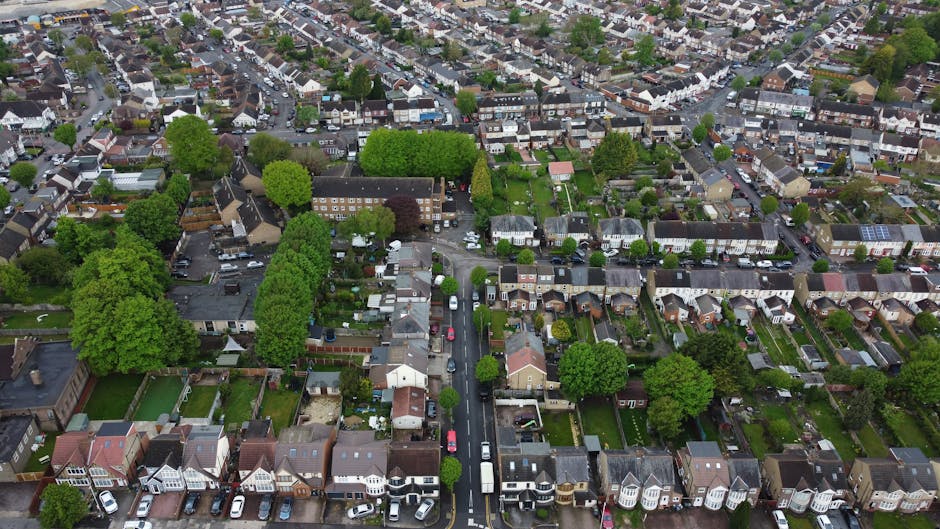
Reliable gardeners for properties in EN2 and Enfield Wash

If you own or manage a property in EN2 or Enfield Wash, you already know how quickly a garden can slip from "fine" to "bit of a mess" after a few wet weeks, a windy spell, or just a busy month. Reliable gardeners for properties in EN2 and Enfield Wash are not only about cutting grass and trimming hedges; they help keep outdoor spaces safe, presentable, and manageable all year round. That matters whether you're looking after a family home, a rental, a shared access garden, or a small commercial frontage. This guide breaks down what dependable garden care looks like, how it works, what to expect, and how to choose services that actually suit the property in front of you.
In practice, reliability is about more than turning up with tools. It is about consistency, clear communication, sensible scheduling, and work that leaves the garden healthier rather than just temporarily neater. Let's face it, anyone can make a lawn look better for an hour. The real value is in keeping things under control week after week.
Why reliable garden care matters in EN2 and Enfield Wash
Properties in and around EN2 and Enfield Wash often face the same mix of practical pressures: compact front gardens, shared boundaries, mature hedging, fast-growing lawns, and the usual London issue of not quite enough time to stay on top of everything. A garden does not need to be elaborate to need attention. Even a modest patch can become overgrown in surprisingly little time, especially when rain and mild weather encourage growth. You notice it first around the edges. A hedge starts leaning out a bit. The lawn goes patchy. A path gets slippery with moss or debris. Then suddenly the whole place feels harder to look after.
Reliable gardening support matters because small problems become bigger and more expensive when they are ignored. A tidy border or regular cut can stop weeds setting seed. Hedge maintenance can keep neighbours happy and prevent light being blocked. Timely clearance can stop discarded branches, leaves, and general garden waste from building up into a proper chore. And for landlords or managing agents, consistency is not a luxury; it is part of keeping a property presentable and reducing complaints.
There is also a safety angle. Loose cuttings, uneven paths, low branches, and blocked access points can make gardens awkward or even risky to use. If you have children, older residents, or tenants coming and going, that matters more than people sometimes admit. A tidy garden is not just prettier. It is easier to live with. That sounds obvious, but honestly, the obvious stuff is often what gets missed.
For homeowners considering a broader refresh, dependable garden care can also support future improvements. Regular maintenance gives clearer sightlines for planning landscaping, lawn recovery, hedge reshaping, or even upgrades like landscaping or decking services. In other words, maintenance first, transformation second. That order saves headaches.
How reliable gardeners for properties in EN2 and Enfield Wash works
Good garden care usually starts with a simple assessment. A gardener looks at the current condition of the space, the size of the garden, how often it grows back, and what kind of access is available. A narrow side path, a shared entrance, or awkward rear access can all affect the time and equipment needed. A sensible provider will not just guess. They will ask questions and, where helpful, inspect the site before suggesting a plan.
From there, the work is typically grouped into recurring maintenance or one-off tasks. Recurring maintenance might include mowing, edging, hedge trimming, weeding, pruning, seasonal tidy-ups, and basic waste removal. One-off work is more likely to involve a heavy garden tidy, clearing a neglected space, shaping overgrown shrubs, or preparing a property for sale, let, or renovation.
A dependable service also thinks in seasons. Spring usually brings rapid growth and a long list of small jobs. Summer often needs mowing, edging, and trimming. Autumn is about leaf management, reduction, and keeping paths clear. Winter is quieter, but it is still a good time for planning, pruning where appropriate, and getting boundaries and access areas in shape before the next growth cycle. The best results come from matching the work to the season, not just the calendar.
In a typical visit, the gardener may begin with the highest-impact tasks first. That could mean cutting the lawn before hedge work, or removing dead material before lighter pruning. When the garden is cluttered, many teams will also sort waste responsibly and, where relevant, arrange a fuller tidy-up through garden clearance. If the job involves specific plant shaping, regular structure maintenance, or a complete refresh, it may connect with broader garden maintenance support rather than a single-off mow-and-go visit.
Here is the basic rhythm you should expect:
- Initial conversation or site review.
- Scope agreed clearly, including what is and is not included.
- Schedule set around access, weather, and the type of work.
- Work completed with reasonable care and proper waste handling.
- Follow-up plan, if the garden needs ongoing attention.
That is the ideal. Not every job needs a grand process. But it should feel organised. If everything seems vague from the start, that is usually telling you something.
Key benefits and practical advantages
The most obvious benefit is appearance. A well-kept garden makes a home or business look more cared for, and in a local area that matters. First impressions are rarely neutral. A trimmed hedge and neat lawn can make a terrace feel brighter, a front garden look larger, and a rental property seem properly looked after.
There are also less visible advantages. Regular work reduces the chance of weeds taking over, keeps shrubs from becoming difficult to manage, and prevents the garden from becoming a "big job" that you keep putting off. We all know how that goes. One missed month becomes three, and suddenly the nettles have a personality.
Other practical gains include:
- Better use of outdoor space: spaces are easier to walk through, sit in, or open up for family use.
- Safer access: clear paths, steps, and boundaries are easier to move around.
- Reduced stress: you do not have to keep wondering when the garden will next become unmanageable.
- Improved plant health: regular pruning, cutting, and seasonal tidying can help growth stay balanced.
- Stronger tenant or visitor experience: useful for landlords, agents, and property managers.
There is a financial logic too, though it should be stated carefully. Regular care can reduce the need for heavy restoration later. A little maintenance now often costs less, and feels less disruptive, than a full rescue job later on. For some properties, that means pairing ongoing visits with occasional specialist work such as hedge trimming or lawn mowing when the season demands it.
Who this is for and when it makes sense
This kind of service suits a wide range of property owners and occupiers. If you only have a small front garden, you might not need intensive work, but you may still benefit from reliable, regular visits to keep things neat. If your garden is larger or shared, the value rises quickly because the upkeep burden gets heavier fast.
It is especially useful for:
- Homeowners who want a tidy garden without spending every weekend on it.
- Landlords who need the property to stay presentable between tenancies or during occupancy.
- Managing agents overseeing communal or shared outdoor areas.
- Older residents who want the garden maintained but do not want to tackle difficult physical work.
- Busy families who are happy to enjoy the garden but not maintain it constantly.
- People preparing a sale or let and wanting the outside to create the right impression.
It also makes sense when you have a very specific issue. Maybe a hedge is getting too tall, or the lawn is thinning out in patches. Maybe the garden needs proper shaping after a period of neglect. Or maybe you have just moved in and realised the previous owner left you with more brambles than border. Happens more often than you'd think.
If the space needs more than upkeep, it is worth considering whether a broader plan is better. For example, a garden that feels cramped and dated may benefit from landscape gardening or more substantial landscaping. The point is to match the service to the actual problem, not just book the nearest thing and hope for the best.
Step-by-step guidance
Choosing reliable gardeners is easier when you break it into sensible steps. No need to overcomplicate it.
- Define the job clearly. Decide whether you need ongoing maintenance, a one-off tidy, hedge work, clearance, or a mix. The clearer you are, the better the quote and the fewer surprises later.
- Walk the site mentally before you enquire. Note access points, sheds, overgrown corners, waste build-up, uneven areas, and anything fragile or awkward.
- Ask what is included. Does the service include waste removal? Edge trimming? Light pruning? The difference between "garden tidy" and "full maintenance" can be significant.
- Check communication style. Reliability shows up in the little things: prompt replies, clear appointment times, and practical answers.
- Clarify timing and frequency. A once-a-month visit is not the same as fortnightly upkeep. Gardens grow on their own schedule, not ours, sadly.
- Review safety and insurance information. Especially if work involves trees, ladders, power tools, or access near boundaries and structures.
- Confirm waste handling. Ask how green waste is managed and whether recycling or responsible disposal is part of the service.
- Start with a small scope if unsure. A first visit can be a good test before committing to a longer arrangement.
If you are comparing providers, it can help to look at the service structure too. A provider with a clear services overview and transparent pricing and quotes guidance is usually easier to work with because the expectations are visible from the outset. That sounds basic, but basic is good when you want fewer problems.
Expert tips for better results
One of the biggest mistakes people make is waiting until the garden is in trouble before acting. A better approach is to build a rhythm. Even a simple pattern like "light maintenance in spring, regular summer cutting, autumn clear-down" can keep the whole place far more manageable.
Another useful habit is to separate cosmetic work from structural work. Cosmetic work is the mow, tidy, sweep, and trim. Structural work is the deeper stuff: shaping hedges, cutting back overgrowth, removing dead material, improving drainage, or clearing awkward corners. If you mix the two in your mind, you can end up underestimating the job. To be fair, lots of people do.
Here are a few practical pointers that often improve results:
- Keep a note of seasonal issues, like one side of the garden always drying out or a hedge that grows faster than expected.
- Ask for the edges to be tidied as well as the main surface. That small detail changes the whole look.
- Talk through plant priorities if you have favourites you want preserved. A good gardener should not guess.
- If wildlife is active, ask for gentle handling around nesting or sheltering areas where appropriate.
- For rental properties, align visits with tenancy changes where possible so the garden never drifts too far.
If you want a neater finish, it can also help to combine maintenance with targeted work such as hedge trimming or a carefully planned lawn mowing schedule. That way the garden does not look half-done after each visit. A small thing, but it matters.
Common mistakes to avoid
There are a few traps people fall into again and again when booking garden work.
1. Choosing on price alone. Cheap can be fine. Cheap and vague is the problem. If the scope is unclear, you may end up paying again to finish the job properly.
2. Not defining the finish. "Tidy the garden" means different things to different people. One person means a quick cut. Another means edging, weeding, pruning, and waste gone. Spell it out.
3. Ignoring access issues. A side gate, locked alley, narrow passage, or steep rear path can change what is realistic on the day.
4. Forgetting waste disposal. A garden can look better for an hour and still leave you with bags of cuttings. That is not ideal.
5. Letting hedges and shrubs get too large. Once growth becomes heavy and woody, the work gets slower and sometimes harder to reverse neatly.
6. Treating maintenance as a one-time event. Some gardens bounce back fast. If you want lasting order, schedule matters.
And yes, there is a bit of "I'll sort it next weekend" energy in almost every neglected garden story. Completely normal. Just not very helpful, unfortunately.
Tools, resources and recommendations
You do not need to be a gardener yourself to make better choices, but understanding the basics helps. A reliable gardener will usually use appropriate cutting tools, edging equipment, pruning tools, and waste bags or trailers suited to the job. For larger spaces or more involved work, access to robust clearing equipment and safe transport for waste becomes important.
From a customer point of view, the best "resource" is clarity. A few simple notes and photos can save a lot of back-and-forth. Before booking, it helps to have:
- Photos of the front, back, and side access if possible.
- A rough idea of the garden size.
- A list of your priorities, in order.
- Any concerns about pets, children, neighbours, or access times.
- Whether you need ongoing care or a one-off improvement.
If the property has heavier clearance needs, look for the right service rather than stretching a basic visit too far. For example, garden waste build-up and bramble clearance are very different from routine upkeep. In those cases, a dedicated garden clearance approach is usually more efficient. Likewise, if the work touches trees or larger woody growth, a specialist tree lopping and removal service may be the safer route than a general tidy.
For readers who prefer a broader picture before deciding, a well-organised services overview can be useful for matching the job to the right type of support. That is often where confidence starts.
Law, compliance, standards and best practice
Garden care is not usually a heavily regulated service in the way some trades are, but good practice still matters a great deal. If a job involves power tools, ladders, manual lifting, sharp cutting equipment, or tree-related work, sensible safety procedures should always be followed. That includes protecting property surfaces, managing waste carefully, and avoiding risky shortcuts just to save a few minutes.
If you are hiring someone to work at your property, it is reasonable to ask about insurance and safety arrangements. For many customers, that is not about suspicion; it is simply good housekeeping. A professional should be able to explain how they handle risk, what precautions they take, and what happens if there is an issue. The same goes for payment clarity and written terms. You do not need a legal lecture, just plain-English expectations.
For providers, policy pages such as health and safety policy, insurance and safety, and payment and security help build trust because they show the service is run with proper care. Sustainability is also becoming more important, especially around green waste handling and recycling. If that matters to you, it is sensible to ask how cuttings and cleared material are dealt with. A responsible approach to recycling and sustainability is a good sign, full stop.
One more point: if your garden includes mature trees, boundary issues, or difficult access, do not assume a general tidy is enough. Ask for a careful assessment before work begins. That is just sensible best practice, really.
Options, methods and comparison table
Not every garden needs the same type of attention. Some properties need regular upkeep. Others need a rescue job first, then maintenance afterwards. The table below gives a quick, practical comparison.
| Approach | Best for | Typical strengths | Watch-outs |
|---|---|---|---|
| Regular maintenance | Homes, rentals, shared gardens | Keeps the space neat and predictable | Needs consistency to work well |
| One-off tidy-up | Seasonal resets, post-holiday neglect, pre-sale prep | Quick visual improvement | May not last without follow-up |
| Garden clearance | Overgrown or cluttered spaces | Removes bulky waste and heavy growth | Can be more time-consuming than expected |
| Landscaping or redesign | Gardens needing layout change or better use of space | Can transform usability and appearance | Needs clear planning and budget awareness |
In plain terms: if the garden mostly needs keeping under control, maintenance is the answer. If it has drifted far beyond control, clearance comes first. If you want the space to function better, then longer-term landscaping may make more sense. Simple enough, but worth stating clearly.
Case study or real-world example
Here is a realistic scenario. A small family in EN2 has a rear garden that started the year looking manageable. Then school runs got busier, rain kept coming, and the hedge pushed out faster than expected. By late summer, the lawn was uneven, the back path had become slippery with fallen leaves, and the edges looked messy from the kitchen window every morning. Not disastrous. Just enough to nag at them.
They did not need a full redesign. What they needed was a sensible reset: cutting back the hedge, restoring the lawn, clearing loose material, and setting a maintenance pattern before the garden drifted further. Once that was done, the space felt usable again. The children could run about without tripping over stray growth, and the patio looked like part of the home again instead of a place things had been dumped.
The useful lesson is that the right service often depends on timing. A garden can move from "routine maintenance" to "clearance" surprisingly fast if nothing is done. But if you catch it early, the job is usually lighter, tidier, and far less stressful. A bit of attention at the right time saves a lot of fuss. That is the whole game, really.
Practical checklist
Use this before you book any gardener for a property in EN2 or Enfield Wash:
- Have I defined whether I need routine maintenance or a one-off clean-up?
- Do I know which parts of the garden need attention most urgently?
- Have I checked access, gates, and any awkward entry points?
- Is waste removal included or discussed clearly?
- Have I mentioned pets, children, neighbours, or quiet hours if relevant?
- Do I know whether hedges, lawns, trees, or clearance work are part of the job?
- Have I asked about insurance, safety, and how the work is managed?
- Is the timing realistic for the garden's condition and the season?
- Have I looked at related services if the garden needs more than mowing?
- Am I comfortable with the quote, scope, and communication style?
Expert summary: The best gardening support is the kind that fits the property, the season, and the level of neglect or upkeep already present. Reliable does not just mean "available." It means consistent, careful, and clear about what happens next.
Conclusion
Reliable gardeners for properties in EN2 and Enfield Wash help turn outdoor spaces from something you worry about into something you can actually enjoy. That is the real value. Not just a neat finish on the day, but steadier control over the space, fewer surprises, and less of that nagging feeling that the garden is always one rainy week away from becoming a job you dread.
Whether you need ongoing upkeep, a seasonal reset, hedge work, lawn care, or a full clearance before starting again, the smartest move is to match the service to the garden as it stands now. Be clear about the outcome you want. Ask sensible questions. Pay attention to how the provider communicates. The right choice usually feels calm and straightforward, not complicated.
If you are comparing options, it helps to start with trusted pages like about us and the wider services overview, then move on to the practical parts that matter for your property. A little structure goes a long way. And once the garden is under control, you do notice it every day - in a good way.
Get a free quote today and see how much you can save.
Frequently Asked Questions
What do reliable gardeners for properties in EN2 and Enfield Wash usually handle?
They typically cover routine garden maintenance, lawn mowing, hedge trimming, border tidying, weed control, seasonal clear-ups, and sometimes heavier jobs like garden clearance. The exact scope depends on the property and the agreement, so it is worth defining the work clearly before anything starts.
How often should a garden in EN2 or Enfield Wash be maintained?
It depends on the size of the garden, the planting, and the season. Some properties benefit from fortnightly visits in the growing months, while others only need monthly or seasonal work. Fast-growing hedges and lawns usually need more frequent attention than small, simple gardens.
Is a one-off tidy-up enough for an overgrown garden?
Sometimes, yes - if the issue is mainly surface-level growth or seasonal mess. But if the garden has been neglected for a long time, a one-off tidy may only be the first step. Heavier growth, tangled borders, and deep clutter often need a proper clearance first, then regular maintenance afterwards.
What should I ask before booking a gardener?
Ask what is included, whether waste removal is part of the service, how access will be handled, what safety measures are in place, and whether the work is a one-off or ongoing arrangement. It also helps to ask for a rough timeframe so you know what to expect.
Do gardeners provide hedge trimming and lawn care as separate services?
Often, yes. Some gardens only need one element, while others need both. Hedge trimming is usually treated as more structured work, while lawn care can be part of regular maintenance. If both are needed, it is sensible to confirm that upfront so the visit is planned properly.
What if my garden needs more than maintenance?
If it has become heavily overgrown, cluttered, or difficult to use, you may need garden clearance or even landscaping support. That is not unusual. In fact, it is often the more efficient choice because it addresses the underlying problem rather than just trimming around it.
How can I tell if a gardener is reliable?
Look for clear communication, practical answers, sensible scheduling, and a willingness to explain the scope of work. Reliability shows up in small things. Do they respond properly? Do they seem to understand the job? Do they talk plainly about what will happen? Those are good signs.
Will the gardener take away the waste?
That depends on the arrangement, so it should always be confirmed. Some jobs include green waste removal, while others leave it to the property owner. If you want the garden left fully tidy, ask specifically about disposal before the work is booked.
Are there safety considerations for garden work?
Yes. Garden work can involve sharp tools, ladders, heavy lifting, and uneven ground. Safe working practices matter, especially around trees, boundaries, wet surfaces, and narrow access. It is sensible to ask how the work will be managed and what precautions are taken.
Can regular garden maintenance help reduce costs over time?
Usually, yes. Small, regular jobs are often easier and less disruptive than letting a garden deteriorate and then paying for a large recovery job later. It is not a promise of savings in every case, but ongoing care tends to prevent bigger messes building up.
What is the best time of year to book garden work?
There is no single perfect time. Spring and summer are busy because growth is fast, while autumn is useful for clearing leaves and tidying before winter. If you want the garden looking its best for a particular event, property viewing, or tenancy change, book earlier rather than later.
Should landlords in EN2 and Enfield Wash arrange regular garden care?
Often they should, especially if the property has a front garden, shared outdoor space, or a tenancy agreement that expects the garden to be kept reasonably tidy. Regular visits help maintain presentation and reduce disputes. It is one of those small details that prevents bigger headaches down the line.