Garden Maintenance Enfield — Recycling and Sustainability
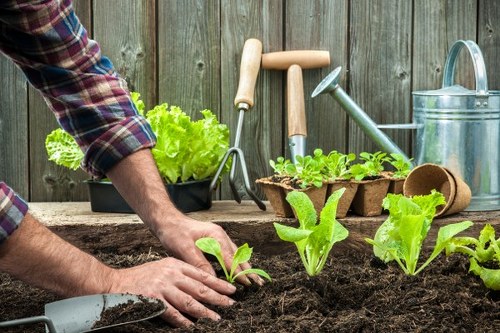 At Garden Maintenance Enfield we prioritise an eco-friendly waste disposal area and a resilient approach to the sustainable rubbish gardening area for homes and communal landscapes across the borough. Our local garden maintenance in Enfield policy focuses on reducing landfill, increasing reuse, and supporting circular-economy practices. We set a clear recycling percentage target for our operations and partners, and report progress regularly so clients and communities can see measurable improvements.
We combine practical on-site sorting with a borough-aware approach: following Enfield’s waste separation model means segregating garden waste, food waste and dry recycling at source. This reduces contamination and improves the yield of compostable material. Our garden maintenance in Enfield teams are trained to classify materials correctly and use labelled containers to keep green waste separate from mixed rubbish, supporting local kerbside and transfer station systems.
 One of our central commitments is a companywide recycling percentage target: we aim to divert 70% of all garden and landscaping waste from landfill within 24 months, with a longer-term ambition to reach 85% through reuse and composting. To get there we optimise operations around reuse, mulching and composting, and partner with local transfer stations to ensure materials are handled by specialised processing facilities that accept green waste, wood, soils and recyclable plastics from gardening activities.
We use the local transfer stations and facilities available in and around Enfield, and we work closely with regional waste authorities to ensure proper handling. Our network includes handoffs to transfer stations such as Edmonton EcoPark and other authorised processing centres that serve North London. These partnerships ensure garden waste enters appropriate treatment streams — from in-vessel composting to biomass and green recycling — rather than ending up in landfill.
Our sustainable rubbish gardening area service emphasises reuse: when plants, soil or materials are still viable we channel them to community reuse projects. Partnerships with charities and local groups are a key part of this approach. We work with community allotments, volunteering groups and reuse organisations, and support local not-for-profits like Groundwork London and community food hubs where appropriate, donating surplus plants, soil improvers and usable timber to projects that regenerate green spaces.
 We maintain a clear list of commitments and practical steps clients can expect when they choose our sustainable garden waste service:
- On-site separation: crews separate wood, green cuttings, soil and mixed waste before removal.
- Composting & mulching: material suitable for composting is diverted to accredited composting facilities or our community compost schemes.
- Reuse & donation: healthy plants, pots and reclaimed stone or timber are offered to partner charities and community projects.
For clients concerned about carbon impact we operate a low-emission fleet and progressive vehicle policy. Our low-carbon vans include electric and hybrid vehicles where routes allow, and all diesel vehicles meet stringent emissions standards. We apply route optimisation and scheduled collections to reduce mileage and idling time, shrinking the carbon footprint of garden maintenance in Enfield while maintaining service reliability.
How borough-scale waste separation influences our work
Enfield’s approach to waste separation — emphasising food waste, garden waste, and dry recycling streams — makes it simpler for our teams to align with municipal systems. By matching our sorting methods to the borough’s service labels and containers, we ensure compatibility with local transfer stations and processing contracts. This reduces contamination, lowers rejection rates at facilities and improves overall recycling conversion. We believe transparency is essential. Our reporting covers key performance indicators such as the recycling percentage achieved per project, tonnes diverted to composting, and amounts reused or donated. Strong environmental governance means we can adapt quickly when local authority regulations change, and we work proactively with borough planners and waste managers to integrate garden maintenance into wider sustainability objectives.
Community and circular economy outcomes
Beyond operational targets, our sustainable rubbish gardening area work delivers community benefits. Donated resources help local green spaces thrive, while compost returned to the soil improves biodiversity and reduces chemical fertiliser needs. Our collaboration with local groups fosters skills exchange and increases public awareness of recycling and sustainable gardening practices.We also champion small-scale recycling activities relevant to the area: wood chipping for habitat piles, segregating invasive plant material for specialist disposal, and capturing soil for remediation projects. These light, targeted activities complement borough services and contribute to an overall reduction in greenhouse gas emissions from waste handling.
Our promise: to deliver professional, trustworthy garden maintenance in Enfield that aligns with municipal waste separation, supports eco‑friendly waste disposal areas, grows community partnerships, and lowers operational emissions with low-carbon vans and smart logistics. By targeting a minimum 70% diversion rate and pursuing continuous improvement, we create greener, cleaner outdoor spaces that reflect Enfield’s sustainability ambitions.