Garden Maintenance in Enfield

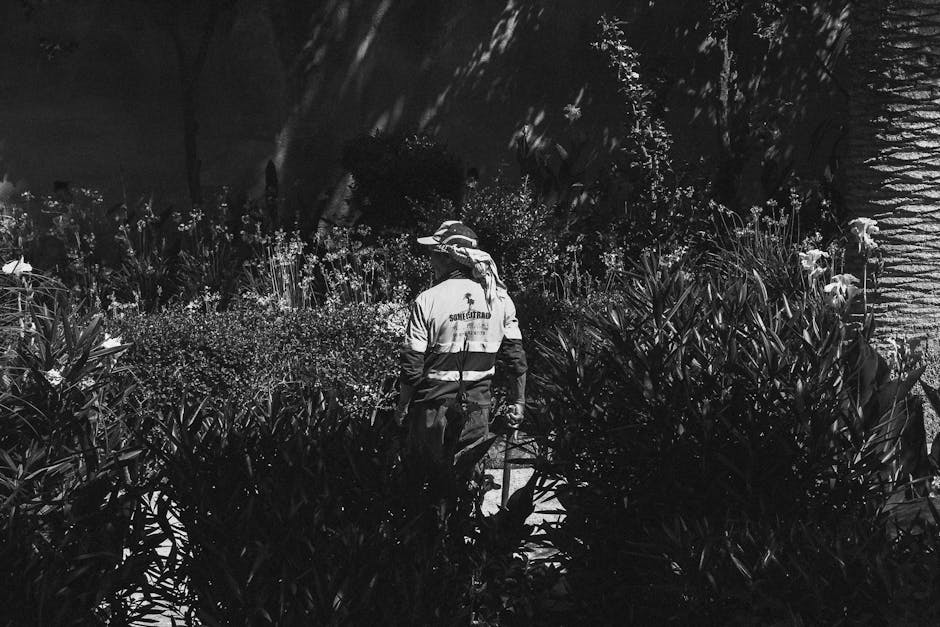
Garden Maintenance Enfield provides practical, seasonal care for outdoor spaces that need regular attention, tidy finishing and thoughtful upkeep. The main service is about keeping gardens manageable and presentable through routine tasks such as mowing, border care, hedge trimming, pruning, leaf clearance and general tidying. Whether a plot is compact, mature or shared across multiple levels, the aim is to keep it looking cared for without unnecessary disruption to the space.
Our work is suited to homeowners, landlords, managing agents and businesses that want dependable garden maintenance rather than one-off improvisation. We can focus on the parts that matter most in any given visit, from front garden presentation to back garden control and boundary management. Clear communication and a sensible plan help keep the work efficient, while still allowing the garden to be handled with enough care for living plants, surfaces and access routes.
For a straightforward first step, you can request a quotation once you know the kind of garden care you need and how often it is likely to be required. If you already have a target outcome in mind, such as neatening a neglected border or restoring a lawn to a tidy condition, make that clear when you get in touch. That gives the maintenance plan a practical starting point.
Routine Garden Care and Ongoing Upkeep
Regular garden care works best when the tasks are matched to the state of the site and the time of year. A maintenance visit can include mowing, edging, weeding, deadheading, hedge shaping, basic pruning, clearing loose growth and removing light debris from paths or lawns. The benefit is not only visual neatness; steady upkeep also makes later work easier and helps prevent the garden from becoming difficult to manage.
Different gardens need different rhythms. A lawn with active growth may need a more frequent cut, while a mixed planting area may benefit from selective attention rather than blanket tidying. We can work to a repeat maintenance pattern or support a one-off visit before a property inspection, sale, rental check or family event. If you prefer a lighter touch, the focus can stay on presentation and access rather than more intensive garden renovation.
Tasks commonly included in maintenance visits
Typical garden maintenance can cover a useful mix of jobs, adjusted to what is actually present on site. A sensible visit might include:
- lawn mowing and edge finishing
- hedge trimming and basic shape control
- weed removal from beds, borders and paved areas
- light pruning of suitable shrubs and climbers
- leaf and seasonal debris clearance
- general garden tidying and waste collection
Lawns, Edges and Border Definition

A tidy lawn often sets the tone for the rest of the garden, so grass cutting is usually one of the most visible maintenance tasks. The work can be tailored to the condition of the turf, the height of growth and the amount of edging needed around paths, beds and boundary lines. Finishing details matter, because a clean edge can make the whole space look more intentional even when the planting is simple.
Border definition is equally important in gardens where plants, weeds and grass begin to merge over time. Re-establishing the outline of beds can help separate ornamental planting from lawn or paving and make future upkeep more manageable. We can also pay attention to awkward corners, narrow strips, and areas around sheds or fences where smaller tools and careful handling are needed to avoid damage.
If the lawn has become uneven in appearance, the service can still remain focused on presentation and control rather than overpromising a full restoration. That means cutting to an appropriate level, removing clippings where needed and keeping the work practical for the current state of the site. For many customers, the main value lies in restoring order and making the garden easier to maintain from that point onward.
Hedge Trimming and Boundary Growth
Hedges and boundary shrubs benefit from regular trimming because they can quickly lose their shape, spill into paths or block light. Maintenance here is not only about appearance; it also helps keep entrances, walkways and shared edges usable. Depending on the plant and the season, the approach may be a light trim for neatness or a more considered cut to reduce bulk and keep the line even.
We can handle growth that has become uneven along the top, sides or front face of a hedge, taking care to keep the finish consistent. Some hedges are best maintained little and often, while others need periodic attention after a longer interval. Where the boundary planting is mixed, the task may involve separating the hedge line from surrounding shrubs so the garden still reads clearly as a cared-for space.
Customers often want hedge work combined with wider garden maintenance so the result feels complete rather than piecemeal. That can include clearing the cuttings, neatening the base of the hedge and dealing with any nearby weeds or fallen leaves. It is a simple way to bring several visible parts of the garden back into balance without turning the visit into a major landscaping project.
Seasonal Tidy-Ups and Leaf Clearance

Seasonal maintenance helps a garden stay usable through wetter, windier or heavier-growth periods. In autumn, leaf clearance becomes especially important because a build-up on lawns, paths and patios can make surfaces look untidy and harder to use. In spring and summer, the focus may shift to cutting back fresh growth, removing spent material and keeping the main spaces clear of clutter.
These tidy-up visits are useful when a garden has drifted beyond the scope of routine mowing alone. They can include cutting back soft growth, collecting prunings, removing debris from corners and giving attention to the places that often get missed during quicker visits. It is usually better to deal with these areas in a planned way than to leave them until the accumulation becomes more stubborn and time-consuming.
Seasonal work can also be combined with light preparation ahead of outdoor use, such as a family gathering, letting-agreed inspection or change in occupancy. In those situations, the emphasis is on restoring a clean, orderly appearance across the whole space. If the garden has several problem areas, grouping them into one visit can make the final result more coherent and easier to keep on top of afterwards.
Practical Choices for Different Garden Types
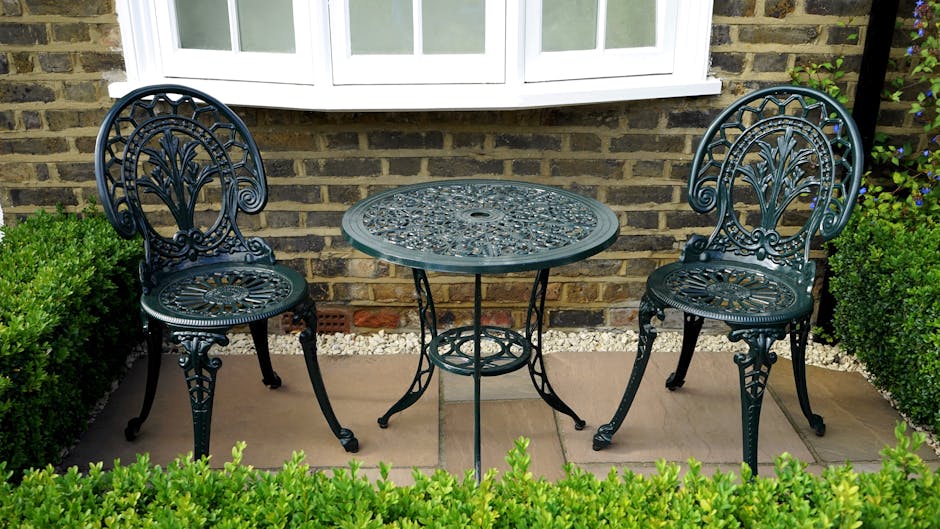
Not every garden needs the same level of attention, and a maintenance plan should reflect the site rather than forcing a standard routine onto it. A small front garden may need regular mowing, edging and weed control, while a larger rear garden may require more time for hedge lines, borders and seasonal cut-backs. Shared gardens, rental properties and commercial grounds may also need a clearer scope so the work stays consistent.
One useful way to approach the service is to decide whether the priority is appearance, control or continuity. Appearance-led care keeps the space neat for visitors and residents. Control-led care focuses on preventing overgrowth and keeping access clear. Continuity-led care means setting up a repeat pattern so the garden does not swing between overgrown and overworked. That choice shapes both the visit and the quotation.
In many cases, the most effective maintenance plan combines a few simple tasks rather than a large number of specialist interventions. If the garden is healthy but untidy, modest recurring work may be enough. If it has been left for a while, the first visit may need to be broader, with later visits returning to lighter upkeep. The benefit of a clear scope is that the right level of work can be chosen from the outset.
About Enfield
Enfield is a large borough in north London with a long history shaped by its position between the city and the Hertfordshire countryside. The area includes the historic market town of Enfield, suburban neighbourhoods developed in the nineteenth and twentieth centuries, and stretches of green space that still reflect older rural patterns. Forty Hall Estate, a Jacobean house with formal grounds, is one of the best-known historic sites in the borough, while nearby parts of the Lee Valley provide a very different landscape of waterways, open land and recreation routes. The New River, an early seventeenth-century engineering project built to carry drinking water to London, passes through the borough and remains an important feature in its physical and historical character. Enfield also includes a number of churches, older parades and civic buildings that reflect its growth from an established settlement into a broader suburban district. Public parks such as Trent Country Park and the open spaces along the river corridor give the borough a varied pattern of streets, estates and green edges. That mix of built form and landscape makes Enfield visually diverse, with neighbourhoods that can feel distinct even when they sit within the same wider administrative area. Local transport links, including rail and Underground connections at key points, reinforce its role as both a residential district and a route through north London.
Garden Clearance and Overgrown Areas

Some gardens need more than routine tidying and benefit from focused clearance work before regular maintenance can resume. This may involve removing thick growth, collecting fallen branches, dealing with accumulated leaves or opening up access to overrun sections of the site. The intention is not to force the garden into an artificial finish, but to bring it back to a point where it can be maintained sensibly again.
Garden clearance is often useful when a property has been empty, when planting has outgrown its space or when a side return and back area have become difficult to use. In those cases, the work may overlap with hedge trimming, boundary tidying and the removal of general waste from the site. The approach stays practical: assess the visible issues, clear what is blocking the garden’s use, and leave the remaining areas ready for further care if needed.
Where the garden contains established shrubs or other living features that should be retained, the work can be planned around them rather than cutting everything back indiscriminately. That distinction matters because careful clearance keeps options open for the next phase of maintenance. A sensible first visit may make the space look dramatically better while still preserving the parts that should remain in place.
Pricing Factors and Quotation Details
Garden maintenance quotations are usually influenced by the size of the area, the amount of growth, the tasks requested and how much time the work is likely to take. Access can also matter, especially where gates, side passages, parking restrictions or restricted working space affect how materials and tools are handled. A garden that needs only light upkeep is a different proposition from one that requires clearance before routine care can begin.
It helps to be clear about the outcome you want, because that allows the quote to reflect the right scope rather than an overly broad or overly narrow assumption. For example, you might want lawn work only, or lawn care alongside hedge trimming and border tidying. If there are seasonal issues, shared access concerns or areas that should be left untouched, mention them early so the plan matches the site. That avoids unnecessary work and keeps the brief focused.
When you are ready to compare options, ask for a quote based on the actual tasks you want carried out rather than a generic description of the garden. A short written list can be enough to start the conversation, especially if the space has several parts that need different attention. From there, the service can be shaped into something practical, clear and suitable for the garden in question.
Preparing for a Maintenance Visit
Good preparation is usually straightforward. It is helpful to make sure the main access routes are clear, note any locked gates or restricted areas and identify items that should not be moved. If there are delicate plants, pond edges, young trees or recently installed features, point those out so they can be taken into account during the work. A clear brief tends to save time and reduce the chance of avoidable disturbance.
Photographs can also be useful when a garden is difficult to describe in words alone, especially if the site is partly hidden from view or includes several separate zones. A few images of the lawn, borders, hedges and any problem areas can help show what kind of attention is needed. If you want the work to follow a specific pattern, such as front garden presentation first or boundary growth first, say so when you ask for the quotation.
Keeping the request concise but specific usually leads to a better match between expectation and outcome. That does not require a long explanation; a simple outline of the tasks and the general condition of the garden is often enough. Once the scope is agreed, the maintenance itself can stay focused on the visible priorities and the practical needs of the space.
Ongoing Support for a Managed Outdoor Space

Many customers prefer to keep garden maintenance steady throughout the year rather than dealing with sharp peaks of growth or long gaps between visits. In that setting, the service becomes a manageable routine: grass is kept under control, hedges stay within bounds, weeds are reduced and seasonal debris is cleared before it becomes a larger task. The result is a garden that remains more usable and easier to enjoy.
A regular plan can be adjusted as the garden changes, since growth patterns vary with weather, planting choices and how the space is used. Some areas may need close attention, while others only require occasional tidying. By keeping the work proportionate, our service can support both simpler gardens and more layered outdoor spaces without making every visit feel like a reset.
To talk through your garden maintenance needs in Enfield, make a note of the main tasks and the current condition of the space, then request a quotation. If you already know that your garden needs an ongoing plan, say that at the outset so the response can be framed around regular upkeep rather than a one-off tidy. That is often the easiest way to get a useful, workable starting point.